As we come off another polar vortex and my gas furnace running for 36 hours non-stop, it got me thinking about how comfortable we have become in our homes. Until such extreme weather hits, we usually take for granted the heating and cooling of our homes, workplaces, and play places. In reality, controlling our indoor climate is a very recent development. For most of history, people have spent much of their time and effort battling mother nature and bad weather curtailed our activities far more than it does today. Gone are the days when winter was a season to simply survive.
I can still vividly recall my grandparents’ home in Southern Ohio in the 1960s and 70s. 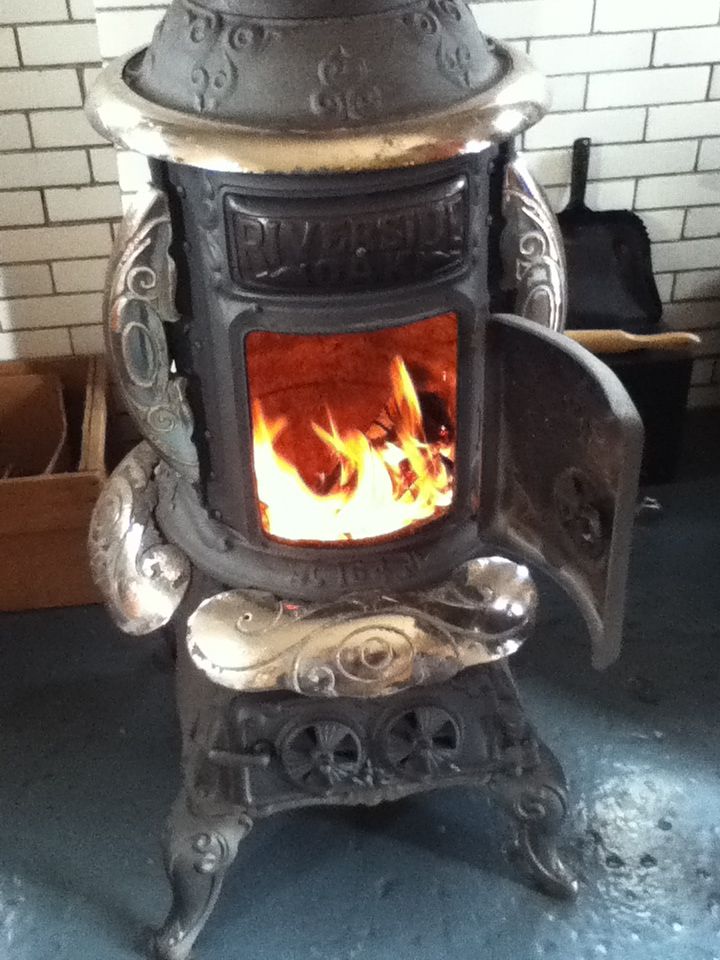
The small, four room house was heated solely by a wood-burning stove in the living room, with additional heat coming from the wood-burning cook stove in the kitchen. Getting through the winter meant my grandfather had to spend a good deal of time in the warm months cutting down trees and hauling them to the house. He then had to cut and split the wood. All of this had to take place early enough in the year for the wood to cure and be burnable when cold weather came. This also meant that the bedrooms were not heated, so layers of my grandmother’s home-made quilts were needed to get through a cold night. Some of my fondest memories of my grandparents’ home are sitting in the living room at Christmas time feeling the warmth of that stove, hearing the fire crackle and pop inside. And of course, nothing went to waste in those days – the ashes from the stove were dumped in the garden to enrich the soil.
The first attempt to offset cold temperatures was radiant heat. Invented in the late 19th century, these were heavy cast iron radiators that, although an improvement over fireplaces and stoves, still required much attention. But it was in 1919 that the first whole-house furnace system was patented. Alice Parker, a 24-year old African American from New Jersey and graduate of Howard University developed the system that used natural gas and duct work throughout the home.
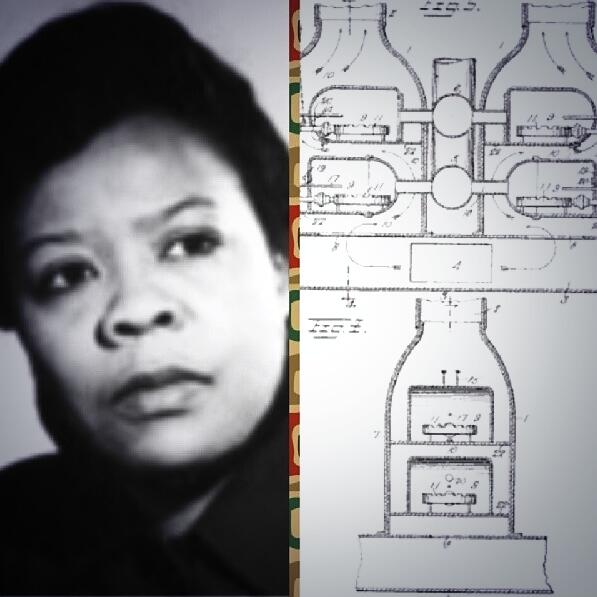 Each room could be regulated individually, and the heat rose through the ducts naturally. A few years later, in 1935 forced-air furnaces came in to being. Since that time, our furnaces have evolved to be so efficient and reliable, we hardly give them a second thought. That is, of course until the thermometer drops and we are reminded how thin the line is between comfort and dangerous frigid weather. So, on the centennial anniversary of the invention of the furnace, I am personally grateful to Alice Parker for helping keep me warm this winter.
No responses yet