When my wife and I moved to the country in 2020 to what we call our mini-farm, it quickly became apparent that we needed a pick-up truck. I have had a few in my life and was looking forward to driving one again. Knowing how expensive new vehicles are today, especially pick-ups, we determined to get an older model. After all, we weren’t going to be working our very large garden, tending chickens, and working the land indefinitely. Something that would last 3 – 5 years would do the trick.
After quite a bit of searching, we found a 2008 Ford truck. The price was right and it was in decent condition, so we bought it. Since then, it has hauled gravel, horse manure, lumber, kitchen cabinets, paving stones, bags of sand, chicken feed, and more. There is just something about driving a truck that is satisfying. Perhaps it is that, with a truck, you can do just about anything. Haul, tow, drive through snow, rain, and mud, all with power to spare.
Recently, as I was driving home from running errands, I glance down at the dashboard to check my speed, amongst other things. And as I did, I realized that this older truck is quite different than newer vehicles. And the main difference is in the dashboard. While it is true that newer cars have so many more safety and efficiency systems, as well as entertainment and communications options, how the vehicle communicates with the driver is where the big difference is.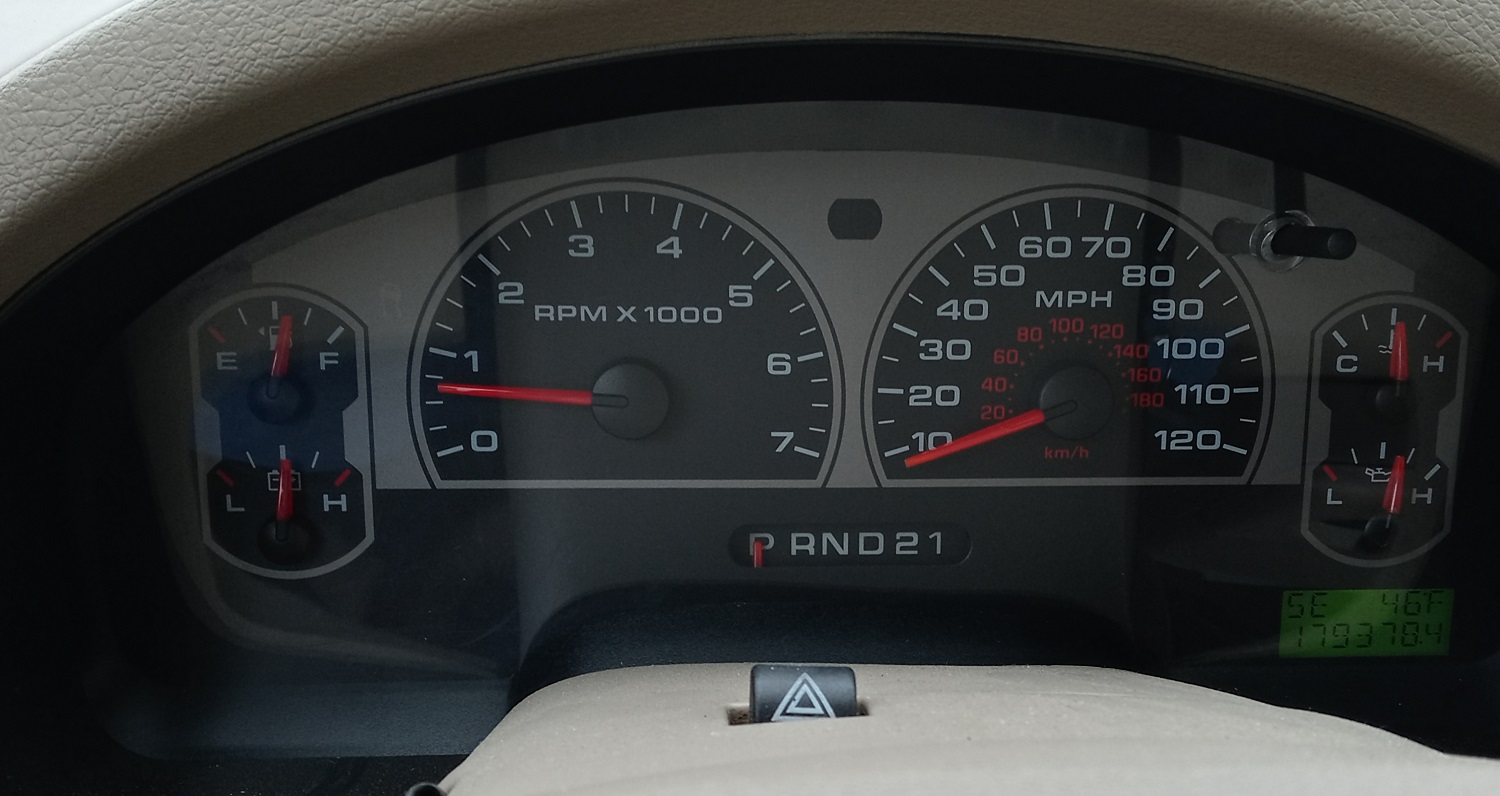
You see, my old truck has what is called and analog dashboard. Other than a small screen that give the temperature and odometer, everything is old school with dials that move back and forth. And this got me to thinking. As I looked at the dashboard, I could see that my engine temperature was hovering in the middle of the gauge – right where it should be. So too for the oil pressure and battery gauges. Right in the normal range. Now, if one of those gauges had shown higher or lower than normal, it would be time to get them checked out. If it is oil pressure, I would check the oil level myself. Same for the temperature, I would give the radiator a look-see. And for the battery, I could have it tested for free at an auto parts store.
We can’t do the same for most newer vehicles. They do not have gauges like my truck. Instead, a warning light will come on to tell us something is wrong. We are supposed to then, according to our owner’s manual, take the car to a repair shop to be looked at. They will then tell us what needs repaired on the vehicle or what maintenance needs done. We drive along and everything is good with our car – until it isn’t. The warnings can be for low tire pressure, a heated engine, low washer fluid, or the dreaded ‘check engine’ light.
Life can be a lot like an older or newer car. We can choose to go through life at full speed, always on the go and never stopping to assess ourselves or our situations. Or we can keep an eye on the gauges of our life. That can mean watching our health and monitoring the basic indicators of health. It can mean paying attention to our finances. Much like we fill the gas tank and watch the gauge to know when it is time to get more gas, we too should contribute to our resources and keep track of how they are being used. And there are other gauges we need to pay attention to. Like the one that tells of if we are emotionally healthy. And the one that indicates if we our self-esteem tank is full or empty. And the dial that swings from peaceful to angry. And so many more gauges to monitor as we go through life. That is certainly a better option than blindly moving forward until a warning light comes on and we need some major repair work. All too often, we can be blindsided by a loss, a tragic event or difficult circumstances that bring us to a crashing halt. Spending a little time looking at our personal gauges can help prevent those crashes.
For me, my dashboard that includes the vital gauges I need to get through life well is my Bible. It is like an owner’s manual for life. In its pages I can find advice for healthy living, reducing stress, controlling anger, setting the right priorities and much more. Perhaps the most important gauge in all of the Bible is the one for hope. If my hope dial is high, life is good. If not, I may doubt myself, be skeptical of the future or develop a bad attitude toward others. Do I read it every day? Except on rare occasions, yes. Do I always find in it something helpful? Again, yes.
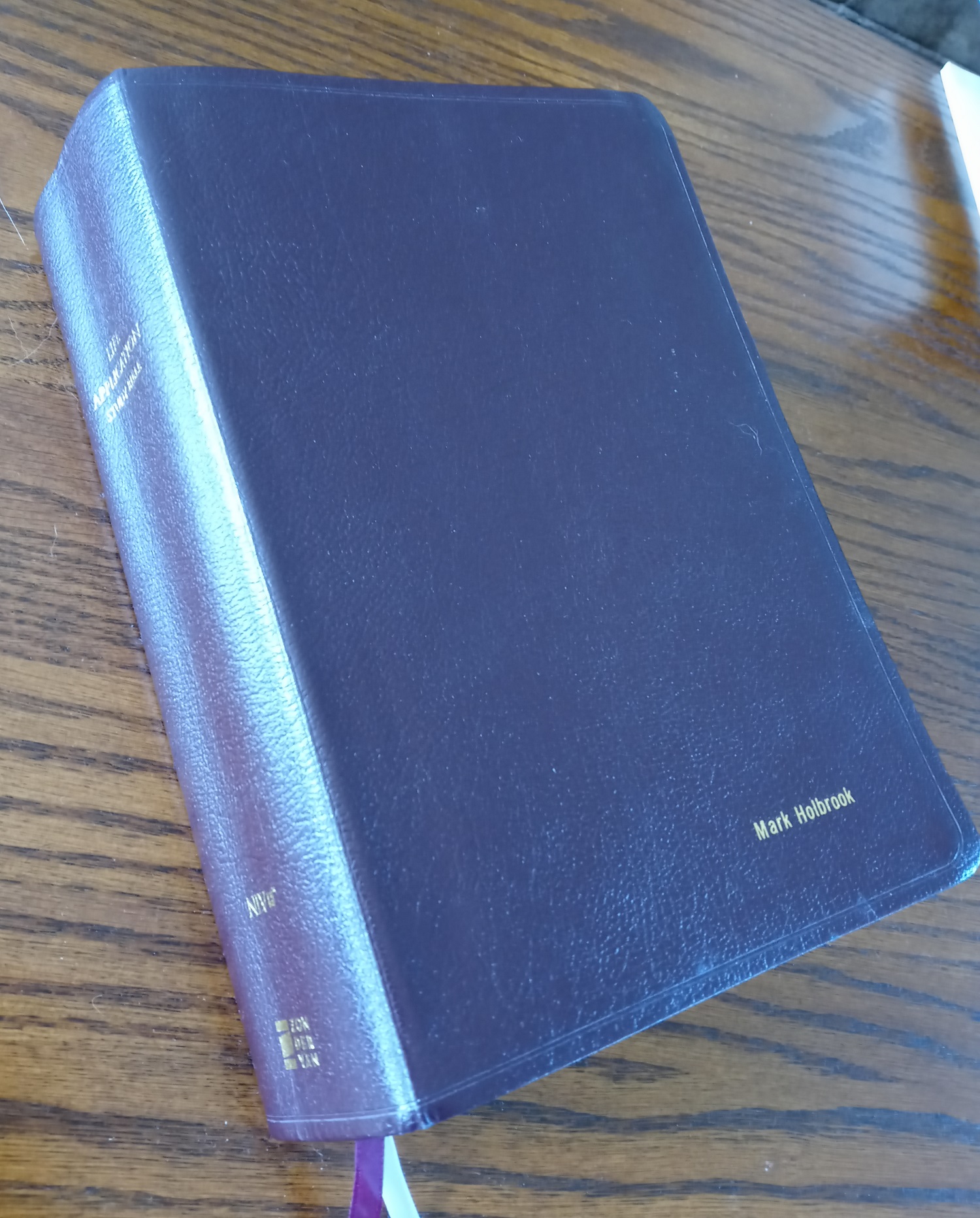
You may not own a Bible and/or be in a position to get one. If that is the case, there are many organizations in the United States and around the world that will send you one for free. Just Google ‘get a free Bible sent to me’ and you will find several options.
No responses yet